
In a world that often emphasizes structured movements and rigid postures, the notion of fluid gestures freeing embodied expression offers a refreshing perspective. Movement is an innate human trait, one that transcends cultural and linguistic barriers, and serves as a universal language of the body. The exploration of fluid gestures allows individuals to express themselves in ways that are both liberating and deeply personal. This journey of self-discovery through movement is not just about physical flexibility, but also about emotional and mental liberation.
Exploring the Liberation of Embodied Expression
The concept of fluid gestures encompasses more than just physical motions; it is an exploration of the body’s ability to communicate without words. Through movement, individuals can express emotions and thoughts that might otherwise remain hidden. This type of expression is not confined to any specific style or form, making it accessible to everyone. The freedom found in fluid gestures can lead to a deeper understanding of oneself and a more profound connection to the world.
Engaging in fluid movement practices can result in numerous benefits, both tangible and intangible. These practices encourage the release of tension and stress, fostering a state of relaxation and inner peace. They also enhance creativity, allowing individuals to explore new ways of moving and expressing themselves. The process of discovering one’s own unique movement style can be incredibly empowering and fulfilling.
The Benefits of Fluid Gestures
Fluid gestures provide a pathway to a more authentic form of self-expression. The process of engaging in these movements offers an opportunity for individuals to listen to their bodies and understand their own physical and emotional needs. This heightened awareness can lead to improved mental health and well-being.
- Improved Physical Health: regular engagement in fluid movement can enhance flexibility and strength, reducing the risk of injury.
- Emotional Release: movement allows for the release of pent-up emotions, promoting emotional clarity and balance.
- Enhanced Creativity: the exploration of different movement patterns stimulates the creative mind.
- Stress Reduction: the rhythmic nature of fluid movements can induce a meditative state, alleviating stress and anxiety.
These benefits demonstrate the multifaceted impact of fluid gestures on an individual’s overall well-being. Engaging in such practices can transform how individuals perceive their bodies and their connection to the environment around them.
Practices to Encourage Fluid Movement
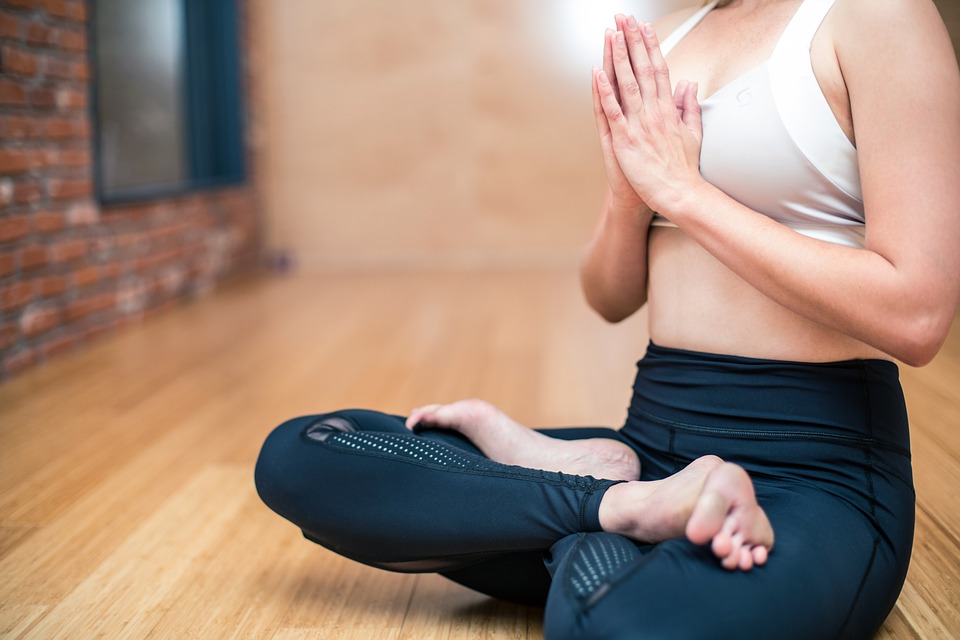
There are various practices that encourage the exploration of fluid gestures, each offering unique approaches and insights. Dance, yoga, and tai chi are among the most popular, providing structured yet flexible frameworks for movement. Each of these practices emphasizes the importance of breath, presence, and flow, allowing for a harmonious integration of mind and body.
Dance, in particular, is a powerful medium for exploring fluid gestures. It allows the body to move freely and expressively, unbound by rigid rules or techniques. Yoga offers a more meditative approach, focusing on the connection between breath and movement, while tai chi emphasizes slow, deliberate motions that cultivate balance and mindfulness.
Regardless of the chosen practice, the key lies in allowing the body to move naturally and without inhibition. This can be achieved by creating a safe space for exploration, free from judgment or expectation.
Embracing the Journey of Movement
The journey towards fluid gestures and embodied expression is a deeply personal one, unique to each individual. It requires patience and a willingness to explore the unknown, to venture beyond familiar patterns of movement. Along this journey, individuals may discover new aspects of themselves and their capabilities, leading to a greater sense of self-awareness and fulfillment.
The transformative power of movement lies in its ability to connect people to their innermost selves. By embracing fluid gestures, individuals can unlock new dimensions of expression and creativity, fostering a deeper connection to themselves and the world around them. The path to freeing embodied expression is not a destination but an ongoing exploration, inviting individuals to continually discover and redefine their relationship with movement.