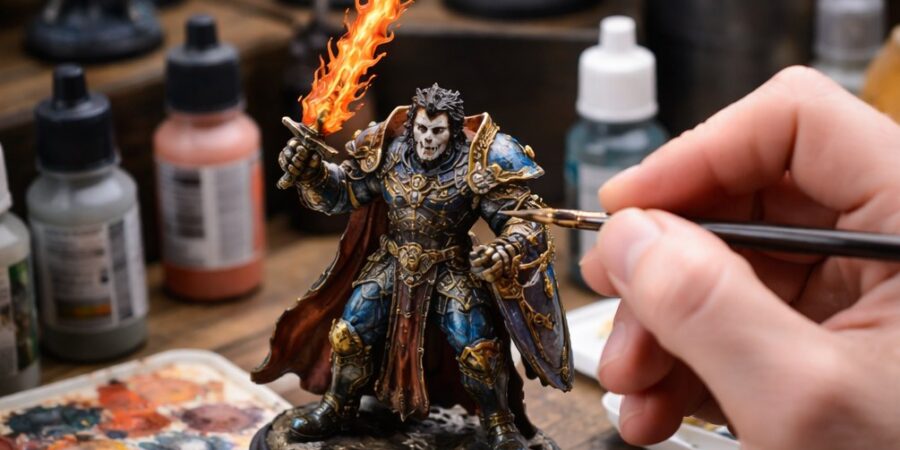
A perfect stroke of the brush can transform a miniature from a simple figure into a masterpiece. Let’s dive into the world of miniature painting and uncover some expert tips that can elevate your painting skills to a new level.
Understanding the Essentials
The foundation of any well-painted miniature lies in mastering the basic techniques. Brush control is critical, allowing for precision and detail. Start with a selection of high-quality brushes that include varying sizes to tackle different elements of your figure. A size 0 or 1 brush is typically ideal for detailing, while a larger size like 3 might be more suited for covering larger areas.
Choosing the Right Paints
The type of paint you use plays a crucial role in the final appearance of your miniature. Acrylic paints are favored by many painters due to their vibrant colors and fast drying time. When selecting colors, consider a base coat, mid-tone, and highlight for each aspect of your miniature. This triad approach will provide depth and realism to your work.
Priming for Success
Before diving into the painting process, priming your minis is a must. This step provides a surface that paint can adhere to properly, preventing chipping and ensuring a smoother application. Use a primer that suits the color scheme of your miniature; light primers for brighter schemes and darker ones for more somber tones.
Layering and Blending Techniques
Layering is one of the most fundamental techniques in miniature painting. It involves applying multiple thin coats of paint to build up color and create a smooth transition. Blending, on the other hand, can add subtle gradients and effects, bringing your miniature to life. Both techniques require patience and practice but offer rewarding results.

Creating Realistic Textures
The illusion of texture on your mini can enhance its realism significantly. For instance, a dry brushing technique can simulate the worn look of fabrics or the weathered appearance of armor. This method involves removing most of the paint from your brush and lightly flicking it over the raised surfaces of your miniature.
Detailing for Dramatic Effects
Once the base coating and major detailing are complete, it’s time to add the focal points that will capture the viewer’s imagination. Consider the eyes — a small detail that can bring a character to life. Use a fine brush to add a tiny white dot to the iris, creating a glimmer that suggests reflection and depth.
Displays and Commissions
While painting miniatures is a fulfilling hobby, sharing your work with others can be equally gratifying. Participating in displays or selling commissions can push your skills as you undertake different challenges and styles. Building a unique and impressive portfolio not only showcases your talent but can also inspire others in the community.
Continuous Learning and Community Engagement
To keep your skills sharp and your inspirations flowing, becoming part of a community of enthusiasts is vital. Engaging with fellow painters through forums, workshops, or events can provide valuable feedback and introduce you to new techniques and ideas. Occasionally stepping out of your comfort zone will also help in refining your craftsmanship.
Mastering the art of miniature painting includes more than just technique; it involves passion and a commitment to continually improve. Whether you are showcasing your work in an online gallery or perfecting your craft for personal satisfaction, the journey of mastering miniatures is as rewarding as the final outcome. Embrace this hobby, and you may find it offers endless opportunities for learning and creativity.