
Automaton, a concept rooted in mathematics and computer science, plays a pivotal role in many modern technologies. These abstract machines are designed to automatically process input sequences and produce corresponding outputs, a principle that has extended its utility across various innovative applications. Understanding how automaton underpin these technologies offers insight into their significance in advancing efficiency and functionality.
One of the most pervasive applications of automaton is in the realm of computational linguistics. Natural Language Processing (NLP), which facilitates interactions between humans and computers, relies on finite automata to handle language recognition and generation tasks. By processing syntax and semantics, automaton aid in the creation of chatbots, voice recognition systems, and language translation tools. Their ability to manage these complex tasks is fundamental to the development of more intuitive and user-friendly communication interfaces.
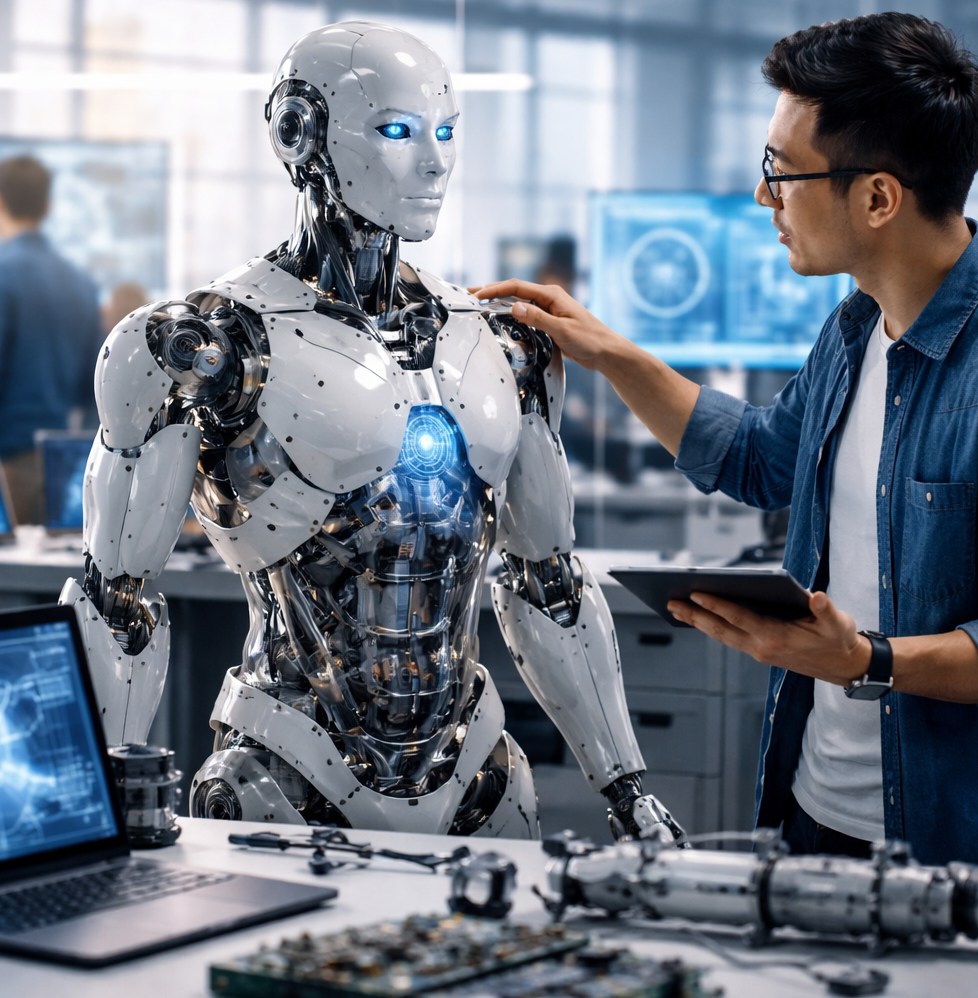
In the field of robotics, automaton provide the foundational framework for motion control and decision-making processes. Robots equipped with sensors and processors leverage concepts from automaton theory to navigate environments and execute tasks with precision. This application is particularly significant in autonomous vehicles, where the ability to process input from the surroundings and make real-time decisions is crucial for safety and efficiency. The growing prevalence of robotics in industrial and consumer sectors underscores the importance of automaton in automating routine and complex activities.
Cybersecurity is another critical area where automaton prove indispensable. Intrusion detection systems, which monitor and analyze network traffic to identify potential threats, employ automaton to discern patterns and anomalies. By automating the detection process, these systems can swiftly respond to risks, providing an essential layer of protection against cyberattacks. Automaton’s role in enhancing the speed and accuracy of security measures makes them vital tools in the digital age.
The world of gaming has seen significant transformations with the integration of automaton. Game developers use state machines, a type of automaton, to design character behaviors and game mechanics, offering players immersive and dynamic experiences. These automata are crucial for managing states and transitions, enabling complex interactions and outcomes within virtual environments. With the increasing complexity of modern games, automaton remain central to creating engaging and responsive gameplay.
Navigating the world of network protocols, automaton assist in establishing clear rules for data transmission. Protocols like HTTP and TCP/IP rely on finite state machines to manage connections and ensure communication reliability across the internet. The efficiency of data exchange facilitated by these automata is a cornerstone of modern telecommunications infrastructure, supporting the vast and intricate web of global digital communication.
In the realm of artificial intelligence, machine learning algorithms often incorporate automaton to refine learning processes and enhance predictive accuracy. By simulating various scenarios and outcomes, automaton contribute to the development of models that can adapt to new information and improve decision-making capabilities. This synergy between automaton and AI propels advancements in fields ranging from healthcare to finance, demonstrating their transformative impact on diverse industries.
Lastly, in control systems engineering, automaton enable the regulation of dynamic systems, ensuring they operate within desired parameters. They govern processes in sectors like manufacturing and aviation, where precision and consistency are essential. Automaton provide the logic necessary for controlling machinery and processes, streamlining operations and reducing human intervention.
The multifaceted applications of automaton across these technologies illustrate their crucial role in driving innovation and efficiency. As technology continues to evolve, the foundational principles of automaton will likely remain integral to developing systems that enhance human capabilities and automate processes, paving the way for future advancements.